Data category
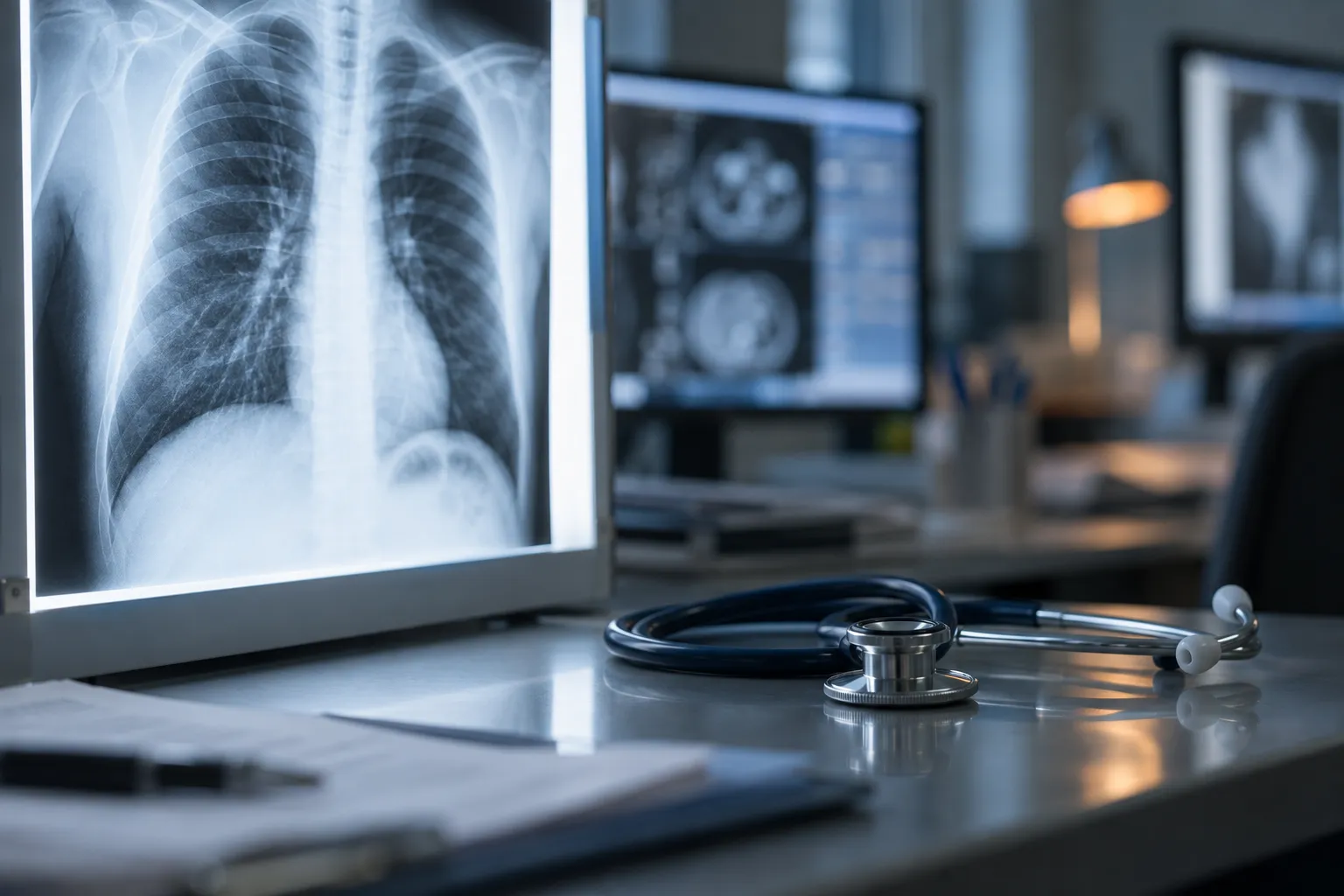
Healthcare & Clinical Data
De-identified clinical records, imaging reports and lab results linked to care pathways and outcomes.
Why it matters for AI
Measured, judged, resolved.
Clinical records connect what was observed, what was ordered, what was decided and what happened next. They are licensed only after formal de-identification, and only with the legal basis, patient consent or ethics approval the provider's privacy officer requires. That longitudinal chain is something public medical text cannot supply.
Typical data
- De-identified encounter records
- Coded diagnoses & outcomes
- Lab orders & results
- Radiology & pathology reports
- Medication & procedure categories
- Admissions & length of stay
- Longitudinal follow-up
- Vital signs & device time-series
- Adverse-event summaries
- Outcome registries
Representative workflow
Illustrative
- 01Presentation & history
- 02Orders & tests
- 03Results & imaging reports
- 04Clinician assessment
- 05Treatment or procedure
- 06Follow-up measurements
- 07Recorded outcome
Who typically holds it
- Hospitals and multi-site clinic groups
- Diagnostic imaging and pathology providers
- Specialty clinics and outpatient centers
- Clinical research units
Potential AI applications
- Clinical decision-support research
- Report and note structuring models
- Outcome and risk prediction
- Medical evaluation sets with verified outcomes
Trust & compliance
Data licensing without losing control.
Your data stays yours until you decide otherwise. We assess before anything is shared, and we treat rights and privacy as conditions of a transaction — not afterthoughts.
No raw data for an initial evaluation
Nothing moves without authorization
Ownership is not the same as licensing rights
Specialist review where it is needed


Own valuable data?
Check your data's licensing potential.
A confidential, no-raw-data assessment of your company's records — from lab results and production logs to cases, claims and transactions.
Or take the partner questionnaireBuilding AI?
You specify it. We source it.
Tell us the proprietary data your model needs — domain, structure, modalities and rights. We approach the organizations that produce it.